
Fish
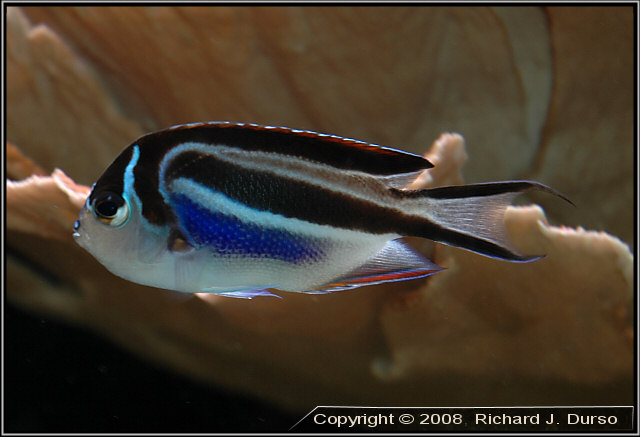
Angelfish
Marine angelfish are among the most beautiful fish in the hobby, known for their striking patterns and vibrant colors. While the large Pomacanthus angelfish can grow quite large and may nip at corals, the smaller Centropyge dwarf angelfish and Genicanthus species are more reef-safe choices. These omnivores require a varied diet including spirulina, marine algae, and meaty foods.
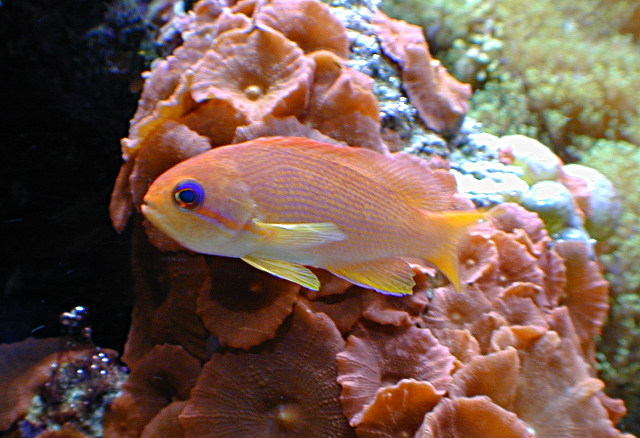
Anthias
Anthias are stunningly beautiful fish that bring vibrant color and activity to any reef tank. These schooling fish are best kept in groups with one male and multiple females. They are planktivores by nature and require multiple small feedings throughout the day. Anthias do best in tanks with plenty of swimming space and can be sensitive to water quality.
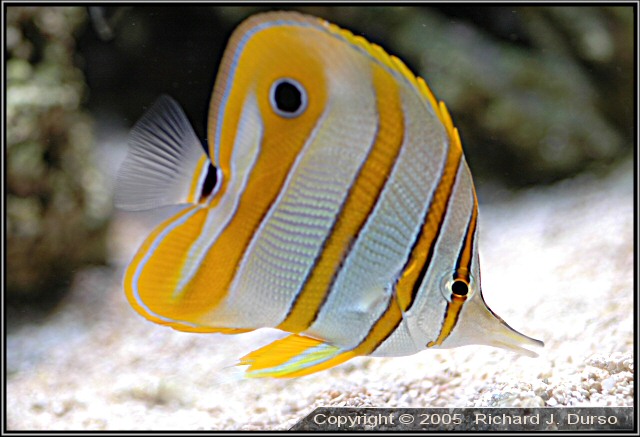
Butterfly Fish
Butterflyfish are among the most elegant marine fish with their distinctive disc-shaped bodies and striking patterns. However, many species are difficult to keep in captivity as they often require specific diets and can be prone to ich. Some of the hardier species like the Copperband Butterflyfish can be successful in well-established reef tanks with proper feeding.
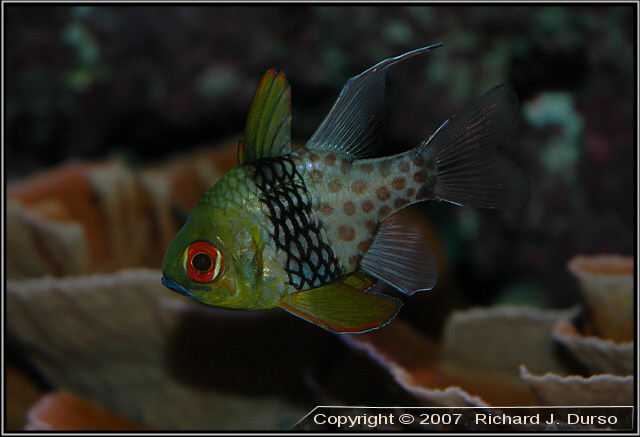
Cardinalfish
Cardinalfish are peaceful, nocturnal fish that make excellent additions to community reef tanks. The popular Pajama Cardinalfish is known for its distinctive spotted pattern and calm demeanor. Cardinalfish are mouthbrooders - the male carries the eggs in his mouth until they hatch. They prefer to be kept in groups and require hiding places during the day.
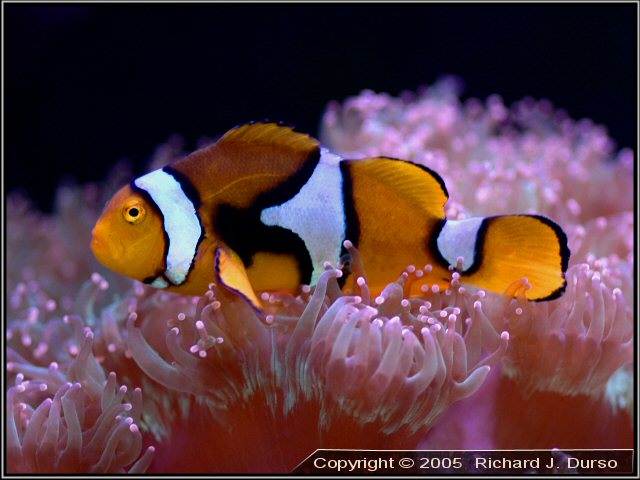
Clownfish
Clownfish are among the most popular marine fish in the aquarium hobby due to their vibrant colors, interesting behavior, and relatively easy breeding in captivity. They form symbiotic relationships with anemones, though they will often host in other corals if anemones aren't available. Clownfish are omnivores and readily accept a variety of foods including pellets, flakes, and frozen preparations.
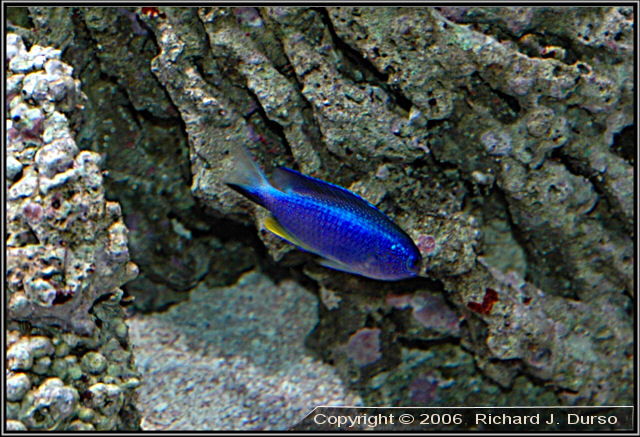
Damsel Fish
Damselfish are colorful fish that are often recommended as starter fish for new reef tanks due to their hardiness. However, many species can become quite aggressive as they mature and establish territories. The smaller dwarf damsels like the Yellowtail Blue Damsel are generally more reef-safe and less aggressive than their larger relatives.
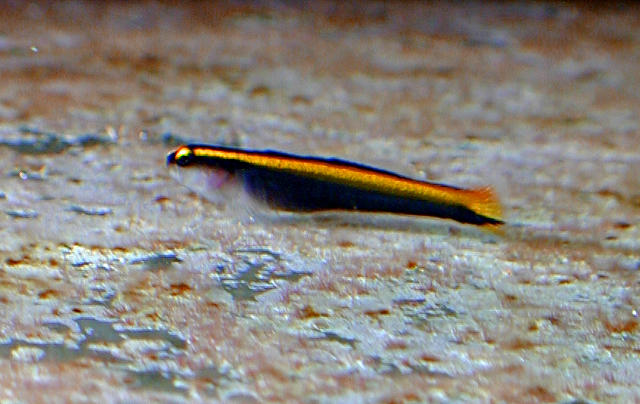
Gobie & Blenny
Gobies and blennies are small, colorful fish that add character to any reef tank. Watchman gobies form symbiotic relationships with pistol shrimp, sharing burrows for protection. Lawnmower blennies are popular for their algae-eating abilities, though they can become aggressive toward other blennies. These fish are generally peaceful and make excellent additions to community tanks.
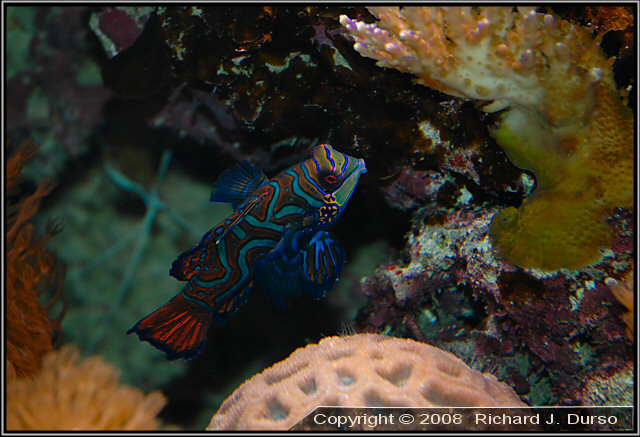
Mandarin Dragonet
Mandarin Dragonets are among the most stunningly beautiful fish in the marine hobby, featuring intricate patterns of green, blue, and orange. However, they are considered advanced due to their specific dietary requirements - they need a steady supply of copepods and other small invertebrates. Established tanks with a healthy pod population are essential for success with these fish.
Surgeon & Rabbit Fish
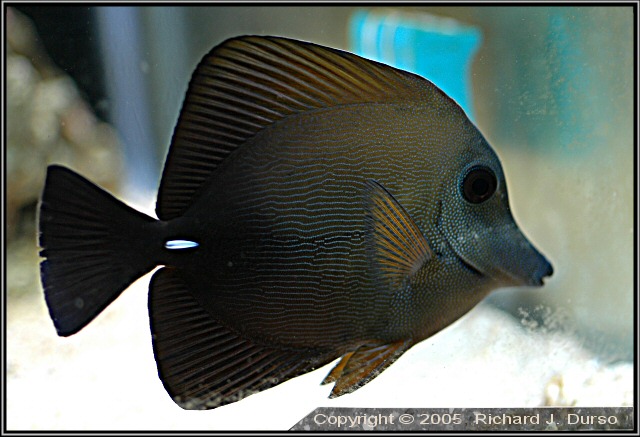
Surgeonfish (tangs) and Rabbitfish are popular herbivorous fish in the reef hobby. Surgeonfish like the Yellow Tang, Purple Tang, Scopas Tang, Sailfin Tang, and Naso Tang belong to the Acanthuridae family and are known for their vibrant colors and algae-eating habits. Rabbitfish like the Foxface are from the Siganidae family and are also excellent algae eaters. Both families require large tanks with stable water quality and will readily accept vegetable-based foods including nori and algae pellets. Caution should be used as surgeonfish have razor-sharp caudal spines and rabbitfish have venomous dorsal spines.
Wrasse
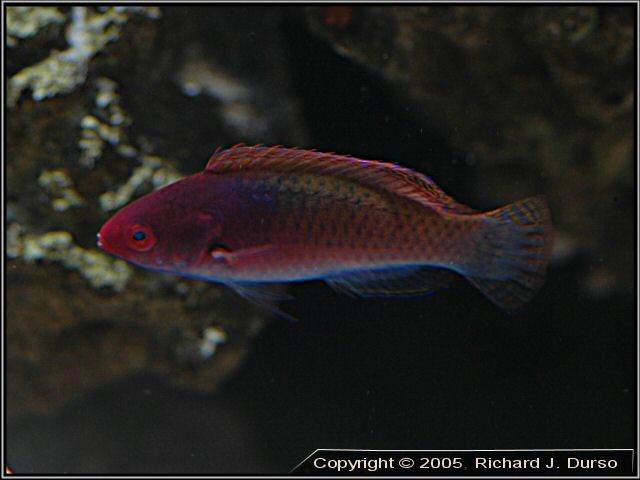
Wrasse are colorful, active fish that bring life and stunning colors to any reef tank. Fairy wrasses and flasher wrasses are particularly popular for their brilliant coloration and interesting behavior. Many wrasses are reef-safe, though some larger species may eat small invertebrates. They typically bury in the sand at night for sleep, so a sandy substrate is recommended.
