
Odd Critters
Algae
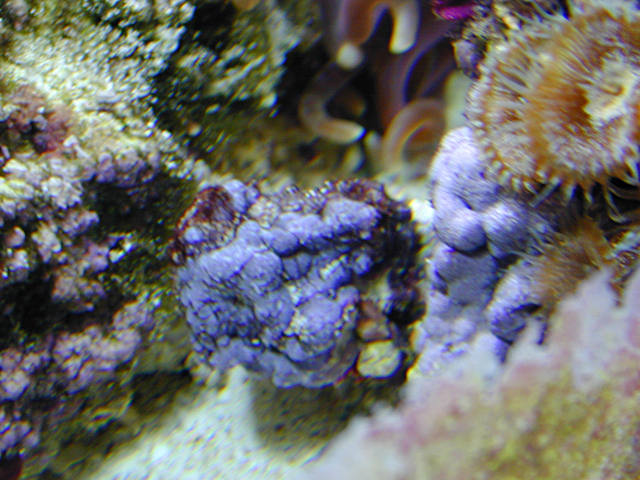
Algae are an important part of the reef aquarium ecosystem. Macroalgae like Caulerpa and Chaetomorpha help absorb nutrients and can provide habitat for beneficial pods. Coralline algae are essential for reef tanks as they compete with nuisance algae for space and contribute to the natural look of the aquarium. While some algae are beneficial, keeping them under control is key to a successful reef.
Anemones & Mushrooms
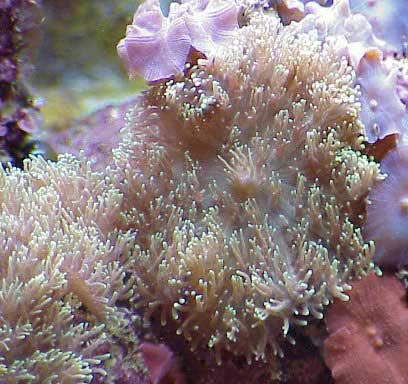
This gallery showcases anemones and mushroom corals - photosynthetic invertebrates that bring color and movement to the reef tank. Mushroom anemones (Discosoma) and zoanthids are easy to keep and come in incredible color varieties. True anemones like Bubble Tip and Long Tentacle can host clownfish but require stronger lighting and more stable water parameters.
Copepods & Amphipods
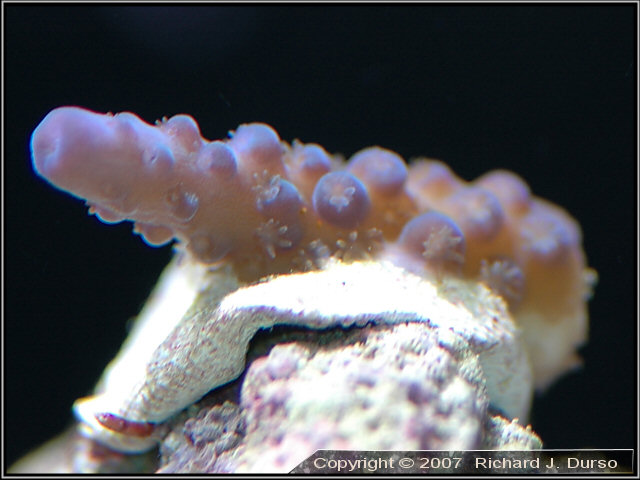
Copepods and amphipods are tiny crustaceans that form the base of the reef aquarium food chain. These microscopic creatures are essential for supporting mandarin dragons, firefish, and other planktivorous fish. A healthy pod population is often a sign of a well-established reef tank. Many reefers actively cultivate pods in refugiums to ensure a steady supply for their fish.
Crabs
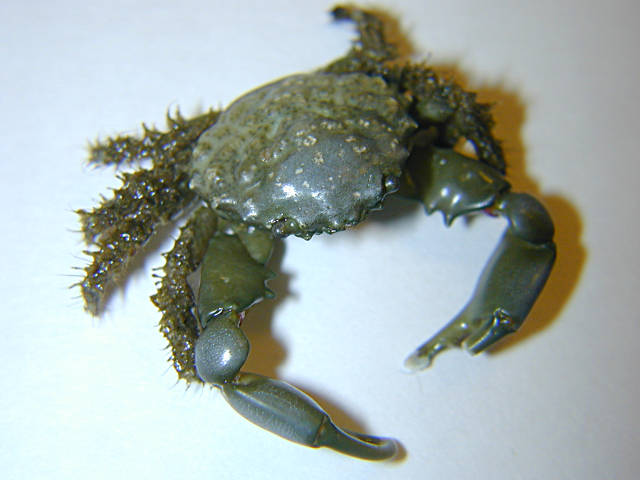
Crabs are fascinating invertebrates that can serve as both cleanup crew and interesting tank inhabitants. Hermit crabs are common additions that help clean algae from rocks and glass. Emerald crabs are popular but can be hit or miss with reef safety. Decorator crabs are masters of camouflage, adorning themselves with pieces of their environment. Most crabs will eat leftover food but some may attack small fish or invertebrates.
Sand Cucumbers
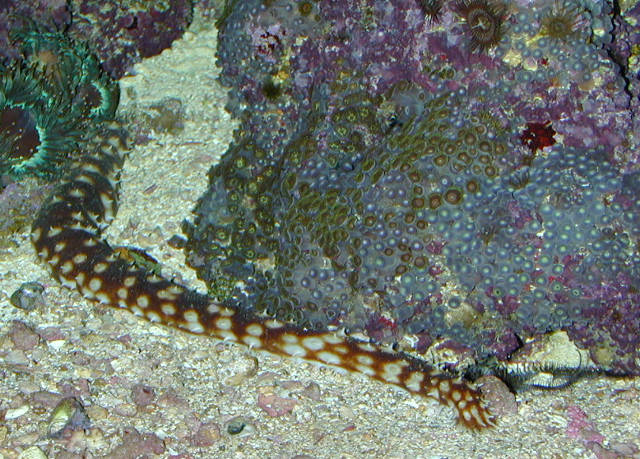
Sand cucumbers are important members of the reef tank cleanup crew. They process sand particles by eating the bacteria and detritus off each grain, leaving clean sand behind. This process helps with nutrient cycling and sand bed maintenance. While generally reef safe, these echinoderms can release toxic substances when stressed, so proper placement away from powerheads is important.
Sea Stars
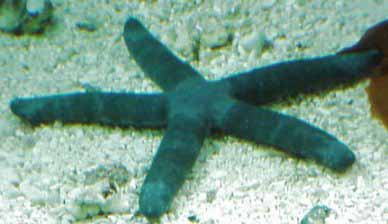
Sea stars are efficient scavengers that help clean up leftover food and detritus in the reef tank. While some stars like Green Brittle Stars are not reef safe and may attack shrimp, others like Linkia sea stars are generally safe. Most sea stars are slow-moving and spend much of their time hiding during the day, coming out at night to feed.
Shrimp
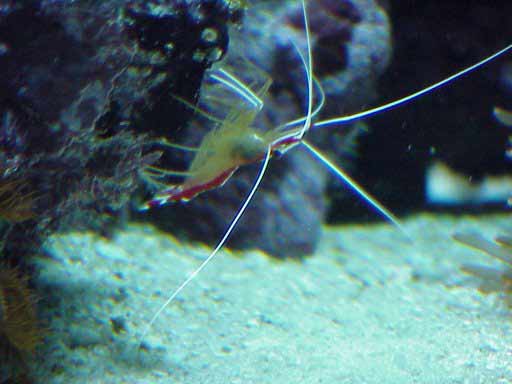
Shrimp are popular additions to reef tanks for their vibrant colors and interesting behavior. Cleaner Shrimp (Lysmata amboinensis) are famous for establishing cleaning stations where fish allow them to pick parasites. Peppermint Shrimp are valued for their ability to control Aiptasia anemones. Most shrimp are omnivores that will accept a variety of foods including pellets, flakes, and frozen preparations.
Snails & Nudibranchs
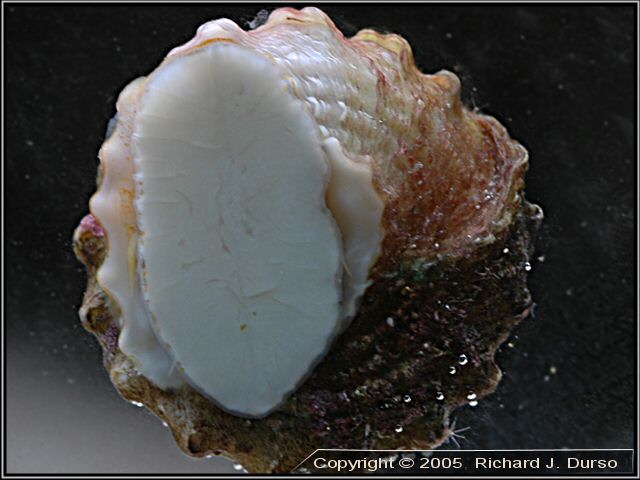
Snails are essential members of the reef tank cleanup crew. Astraea, Trochus, and Margarita snails are excellent algae eaters that help control algae growth on rocks and glass. While most snails are completely reef safe, some like the Bumble Bee Snail can become predators. Nudibranchs are colorful but often difficult to keep long-term as they have specific dietary requirements.
Sponges
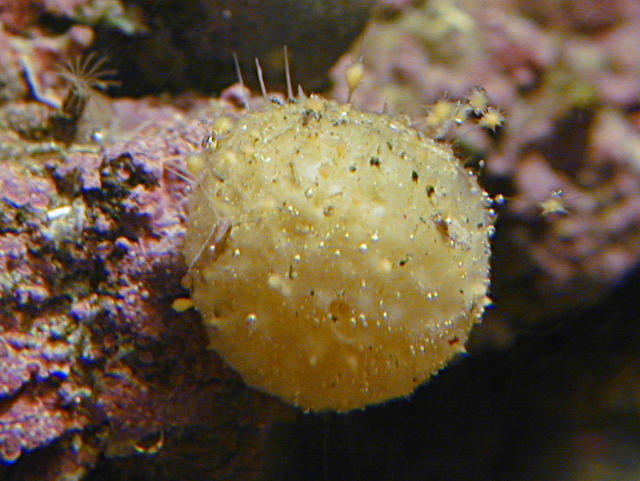
Sponges are fascinating filter-feeding invertebrates that can add color and interest to the reef tank. They filter water through their bodies, removing tiny particles and helping with water clarity. Most sponges come in as hitchhikers on live rock and will typically remain small. They require good water flow to deliver food particles and should not be touched with bare hands as this can damage their tissue.
Urchins
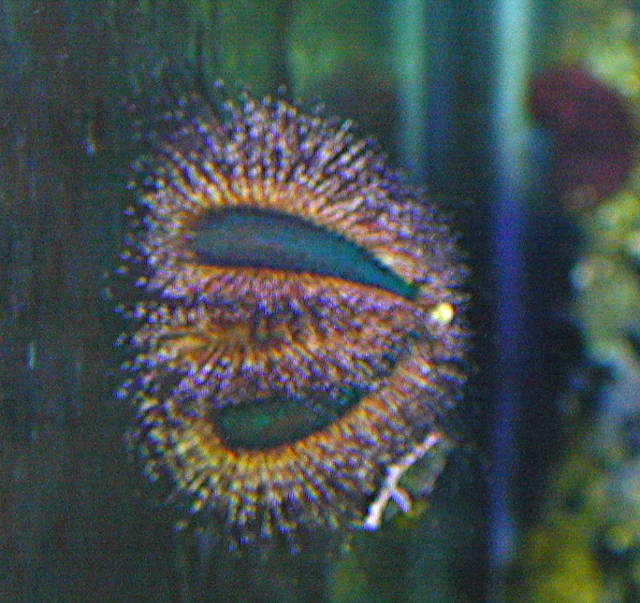
Urchins are spiny echinoderms that are excellent algae eaters in the reef tank. The Blue Tuxedo Urchin is particularly popular for its striking blue coloration and appetite for algae. Halloween Urchins add festive color with their orange and black spines. While generally reef safe, larger urchins can accidentally knock overfragile corals with their spines. They prefer plenty of hiding places and will often hide during the day.
Worms
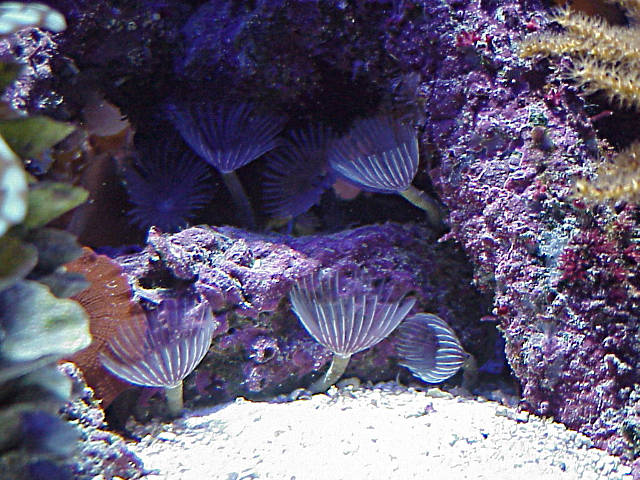
Worms in the reef tank include both beneficial and pest varieties. Feather duster and tube worms are beautiful filter feeders that add interest to the tank. Bristleworms (fireworms) are often misunderstood - while their bristles can irritate skin, they are actually harmless scavengers that help clean up detritus and leftover food. Most worms in the reef aquarium are beneficial and play important roles in the ecosystem.
